A Camera Design Stitched for the Creative Community
When you're choosing an embroidery design for a real project—whether it's for a client's custom sweatshirt or a new product line in your shop—you're looking beyond the digital preview. You're thinking about how it will translate into thread, how it will feel on fabric, and how it will connect with people. Let's walk through the DSLR Camera in Hand Embroidery Design from that practical, hands-on perspective.
The Immediate Impression: A Design for Storytellers
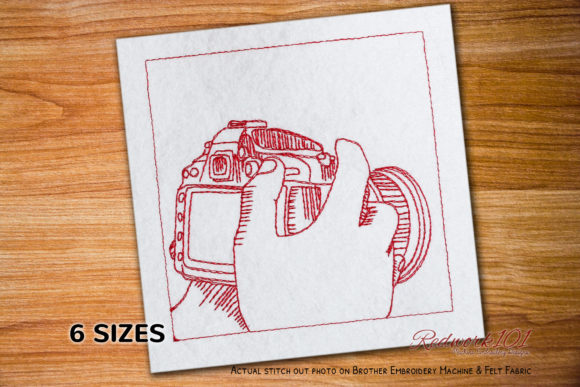
The first thing you notice is the theme. It’s not just a camera; it’s a camera in hand. This creates a subtle narrative. It speaks to photographers, creators, memory-makers, and anyone who values capturing moments. The mood is active and personal, not just technical. The layout, with the hand holding the camera, offers a friendly, approachable visual personality compared to a standalone gear illustration. It feels like it belongs on items for people who do things, not just buy things.
For a real-life scenario, imagine you're preparing a custom embroidered tote bag for a photography workshop gift. This design immediately suggests the recipient's passion. On a baby item, like a blanket for a family obsessed with documenting their child's first years, it becomes a personalized, witty statement. The detail level, from the camera body to the hand's shape, promises a recognizable silhouette when stitched, which is crucial for visual appeal.
Where This Design Finds Its Natural Home
This is a design with strong giftability and brand consistency potential. It performs beautifully when applied to products for a niche community.
- On custom apparel like crewneck sweatshirts or t-shirts for photography enthusiasts, it acts as a badge of identity.
- As an embroidered patch, it could be sold individually or applied to caps, bags, or jackets, offering versatility for makers.
- On home goods like pillow covers or tea towels in a creatively decorated studio or kitchen, it adds a touch of personalized humor.
- For small business merchandise, a local photography studio or a craft blogger could use it on aprons or tote bags for superb boutique branding.
The design's clarity is key here. A clean, recognizable shape on a finished product boosts customer trust—they see a professional, intentional handmade presentation, not a blurry logo. This directly affects buyer engagement in your Etsy listings or at craft fairs.
Careful Application: Where to Slow Down and Test
While the theme is versatile, the execution needs mindfulness. The design includes details like the camera grip and the fingers, which involve smaller areas and likely satin stitches or fill stitches for definition.
- Small hoop sizes might compress these details; I'd recommend a size that allows the hand and camera to remain distinct.
- On textured fabrics like some sweatshirt materials or stretchy fabrics, the finer lines could get lost if stabilizer isn't robust.
- Dark fabric backgrounds require careful thread color contrast planning—you might need to adjust the palette for optimal recognition.
- Applying it to curved surfaces like caps demands testing; the elongated shape might need positioning adjustments to lie flat.
The note about the optional box stitch is a practical relief. That outer box is often a guide, not part of the final art. Skipping it gives you a cleaner, more integrated look on the final product, which is usually preferable for commercial embroidery projects or personalized gifts.
Turning the Digital File into a Valuable Product
The leap from the digital embroidery file to a sellable finished product hinges on a few designer habits. For this DSLR camera design, here are my go-to checks.
- Test on scrap fabric first. Use both a light and a dark scrap to see how the stitch density and color interplay work. This reveals if any small details, like the lines between fingers, become too dense or too sparse.
- Check the actual thread colors. The digital preview colors are a guide. Your thread choices on the final fabric texture will define its warmth and clarity.
- Consider creating printable mockups in black and white. This helps you evaluate the design's strength purely as shape, which is crucial for recognition.
- Always use proper stabilizer for the chosen application. A tote bag needs different support than a baby blanket.
A crucial, non-technical note: confirm the licensing. Before selling finished items or including this in your shop's lineup of craft business products, understand if the embroidery file is cleared for commercial use. This protects your business and your customers.
The Final Stitch: A Design Built for Connection
In the end, the DSLR Camera in Hand Embroidery Design isn't just a graphic. It's a design asset that, when stitched well, tells a story. It can elevate a simple tote bag into a thoughtful holiday embroidery gift for a photographer. It can turn a standard sweatshirt into a uniform for a creative community. Its value lies in its specificity and its friendly composition.
For embroidery designers and makers, it offers a practical path to a product with built-in meaning. By focusing on clean stitching on appropriate fabrics, and by leveraging its narrative charm, you can create handmade products that resonate deeply. It reminds us that the best embroidery projects often start with a design that already feels like it has a life, waiting to be stitched into reality.