Embroidery Hoop: A Designer's Review for Craft Fair Success
As an embroidery designer preparing for a weekend craft fair, every design file needs to earn its place in your product lineup. When I evaluate a new design like "Embroidery Hoop", my first question is always: will this sell on a tote bag at my booth? Let's walk through a real-world review, focusing on what this design could mean for your table of handmade goods.
First Impression: A Playful & Passionate Statement
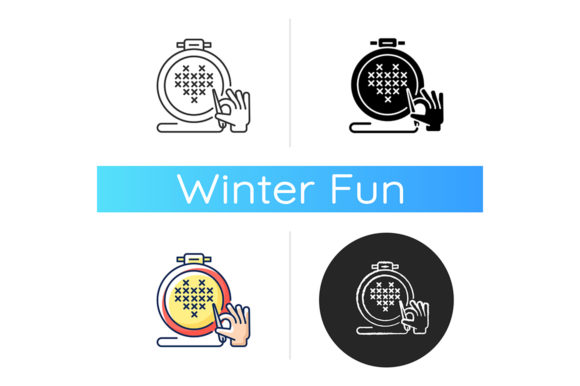
The title and description of Embroidery Hoop suggest a design that celebrates the craft itself. "Just an embroidery hoop to make with your embroidery hoop" feels self-referential, playful, and proudly niche. It speaks directly to someone passionate about embellishments and sewing. This isn't a generic floral motif; it's a statement piece. The mood leans toward fun, creative, and modern-minimal—a design that acknowledges the maker and the buyer as part of the same community. For craft fair customers, especially those who embroider themselves, this creates an instant point of connection.
Where Embroidery Hoop Stands Out on Your Booth Table
Imagine your display: totes, aprons, tea towels, patches, caps, and pouches. Where would Embroidery Hoop shine?
This design has the potential to be a fantastic focal point on medium to large items. On a tote bag or a market bag, positioned centrally, it becomes a bold, witty declaration. It transforms a simple bag into a "maker's bag." On a kitchen apron, placed on the bib or pocket, it adds a personalized, crafty touch that elevates it from a utilitarian item to a giftable handmade product. For pillow covers in a modern rustic or farmhouse style, it offers a clean, graphic element that feels intentional and decorative.
As an embroidered patch, however, I would proceed with caution. The description hints at possible small lettering ("make with your embroidery hoop"). Tiny text on a patch can lose clarity, especially on textured fabrics or curved surfaces like caps. It’s crucial to test the design at a small scale before committing to patches as a primary product.
Practical Production for Batch Sales
For producing multiple items for your fair, consider efficiency. Does Embroidery Hoop feel repeatable?
If the design is primarily graphic—a hoop illustration—with clean lines and moderate stitch density, it could be excellent for batch production on items like tea towels or pouches. However, if the text is intricate, dense stitch areas or very small details could slow production and require more frequent thread changes, affecting your bottom line. You must test this design on scrap fabric first. Check the stitch density on the intended material—is it too dense for a lightweight tea towel, or perfect for a sturdy tote? Inspect the spacing; crowded elements won’t photograph well for your Etsy listings later.
Capturing Customer Attention & Adding Value
At a busy fair, designs need to be understood at a glance. Embroidery Hoop, by naming the tool of the craft, has immediate recognition for a certain audience. It draws the eye of fellow crafters, Cricut users, and creative entrepreneurs. This engagement boosts the perceived value. A tote with this design isn't just a bag; it's a badge of belonging. It feels premium because it's clever and specific. This strengthens your booth display by offering something with a strong story, which encourages buyer conversation and connection.
Selling Online: Photography & Brand Consistency
For your Etsy listings or small shop website, how will Embroidery Hoop photograph? Graphic, clear designs with good contrast perform best. Use thread colors that pop against your fabric. A white design on a dark linen tote bag creates striking contrast for product photos. Always create at least one real mockup—a physical finished product—for photography. Avoid relying solely on printable mockups for your online store; real texture sells. This design, if clean, can help build brand consistency for a shop focused on modern, maker-centric embroidery products.
Critical Designer Notes Before You Stitch
Before you load the embroidery file and start producing items for sale, here is your essential checklist:
- Confirm the Commercial License: The description mentions it's a machine embroidery design. You must verify the digital embroidery file includes a commercial use license before selling any finished product.
- Test on Final Fabrics: Run the design on the exact fabric you'll use—be it textured towels, thick canvas for totes, or curved cap surfaces. Check for puckering or clarity loss.
- Review Hoop Size & Stabilizer: The design's name implies a hoop motif, but the actual required hoop size is not stated. Match the design size to your product. A large hoop design on a small pouch won't work. Use the correct stabilizer for the fabric to ensure crisp results.
- Compare Thread & Fabric Colors: Test thread contrast. A light thread on dark fabric, or vice versa, maximizes impact. Try a few color combinations on scraps to find the most sellable look.
- Inspect Small Details: If the design includes the phrase "make with your embroidery hoop" in small lettering, stitch it out. See if it remains readable at your intended product size. If not, consider using it only on larger items.
The Final Verdict for Your Handmade Business
Embroidery Hoop presents a unique opportunity. It’s not a generic design; it’s a conversation starter. For craft fair sellers and boutique makers targeting a creative, craft-savvy audience, it can be a standout piece that boosts booth engagement and sells as a higher-value handmade gift. Its best chances are on products where it can be a central, clearly visible graphic: tote bags, aprons, pillow covers, and maybe larger pouches.
Production requires due diligence—testing stitch density, confirming licensing, and ensuring text clarity. But if the design file is well-made, it offers a repeatable, photograph-friendly motif that can become a signature product line for your embroidery business. Focus on creating one stunning sample for your booth display—a beautifully embroidered tote bag with this design will draw customers in and let them see, touch, and appreciate the handmade quality immediately. That real-world product judgment is what turns a digital embroidery file into craft fair success.