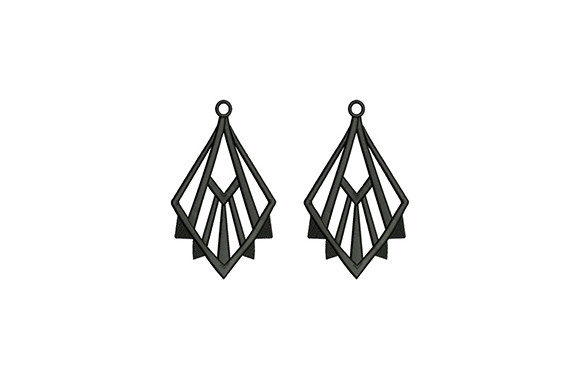
Evaluating Grey Earrings Embroidery Design for Real Projects
As a designer who regularly evaluates embroidery files for client work and my own small shop products, I look for designs that promise visual clarity and practical application. When I first opened the Grey Earrings Embroidery Design, my immediate impression was one of simple, stylish charm. The mood is modern and minimalist, leaning towards a subtle accessory theme rather than a loud statement. The shape is clean, and the layout feels balanced—it doesn’t scream for attention but would add a nice, polished accent. This visual personality makes it naturally belong to projects where understated elegance is key.
Where This Design Finds Its Perfect Home
This design feels tailor-made for the world of personalized gifts and boutique merchandise. Imagine stitching it onto a linen tote bag for a small shop—it would elevate the product without overwhelming the fabric. On a minimalist sweatshirt or a crisp apron, it acts as a sophisticated logo or decorative touch. For baby clothes, like a simple knit sweater, its gentle theme would be a sweet, non-gender-specific addition. As a standalone embroidered patch, it could be applied to caps or backpack straps, offering a custom feel. I also picture it on kitchen towels or pillow covers as part of a cohesive home decor line. For Etsy sellers and craft fair vendors, this design translates easily into holiday gifts, wedding party favors, or branded small business merchandise. In printable mockups for digital product sellers, it provides a clean, recognizable asset that suggests quality.
The Practical Realities of Stitching It Out
In real-life embroidery, the promise of “fun and easy to stitch” needs to hold up. The detail level here appears manageable, likely relying on clean satin stitches or fill stitches for the earring forms. For successful application on custom apparel like t-shirts, careful stabilizer choice is paramount, especially on stretchy or thin fabric. On textured fabrics like some tote bag materials, the stitching clarity must be tested first. I would be particularly mindful using it on dark fabric; the grey colorway might require adjusting thread colors for proper contrast. The design seems suited for a moderate hoop size—it’s not overly large, but you’d want to confirm the exact required hoop size before loading it for a project on a curved surface like a cap.
Navigating Potential Pitfalls
There are always areas where a design should be used carefully. For Grey Earrings, while it’s not overly dense, any very small hoop sizes might compromise its crispness. On layered garments or areas with dense stitch areas from other decorations, it could get lost. It doesn’t appear to have tiny lettering or overly intricate corners, which is a relief for durability. However, on products that need frequent washing, like baby items or kitchen towels, ensuring the stitch density is secure and using quality thread becomes crucial for longevity and customer trust.
How This Design Impacts Your Product’s Appeal
From a business perspective, this embroidery design affects several key factors. Its visual appeal is chic and professional, which enhances product value and handmade presentation. For a creative entrepreneur, consistency in using such a clean design across a range of products—from tote bags to pillow covers—can strengthen brand consistency. Its giftability is high; it feels like a thoughtful, personalized gift rather than a generic mass-market item. This boosts buyer engagement in listings. For apparel decorators, it offers recognition without being trendy or fleeting. Ultimately, it projects a professionalism that makes customers feel they’re purchasing a quality crafted item.
Essential Designer Notes Before You Stitch
Before committing this design to a client project or your craft business inventory, run through these practical steps. First, always test the embroidery file on scrap fabric of the same type and weight you intend to use. Check thread color contrast against your final fabric—consider a slightly lighter or darker grey thread if needed. Review the stitch density on your test piece; is it too thick for lightweight fabrics? Confirm the exact hoop size required. Inspect the small details after stitching to ensure they are clean and not prone to snagging. It’s wise to test the design in black and white mockups to see how it reads without color, and compare it on both light and dark fabric backgrounds digitally if possible. Using proper stabilizer is non-negotiable. Finally, a critical note: check the provided licensing terms before selling finished items or using it in commercial embroidery projects. The description mentions it comes with multiple embroidery file formats, which is excellent for machine compatibility, but the specific license for commercial use must be clear.
A Design for Makers Who Value Subtle Style
The Grey Earrings Embroidery Design, as an accessory-themed file, succeeds by offering a versatile, stylish foundation. It won’t be the loudest piece in your collection, but in the right application—on that minimalist tote, that cozy baby blanket, or that branded cap—it will deliver a polished, professional finish. It encourages thoughtful application rather than bulk production. For embroidery designers, small business owners, and makers aiming to enhance their product line with understated elegance, this design is a practical asset worth evaluating for your next real-world project.