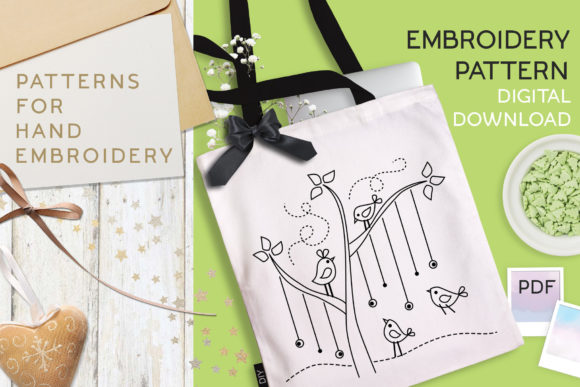
A Designer's Take on the Birds Tree Embroidery Pattern
When you're considering a new embroidery pattern for a project, especially one destined for a client or your shop, you look at it with a different eye. It's not just about whether it's pretty; it's about whether it will work, look professional when stitched, and resonate with the person who ends up owning it. So, let's talk about the Birds Tree DIY Embroidery pattern from that practical, in-the-hoop perspective.
The Immediate Mood: Playful Simplicity
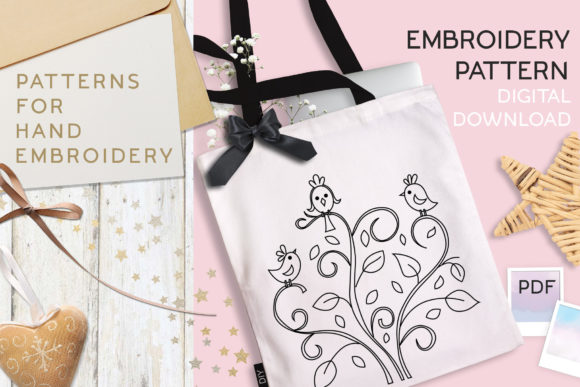
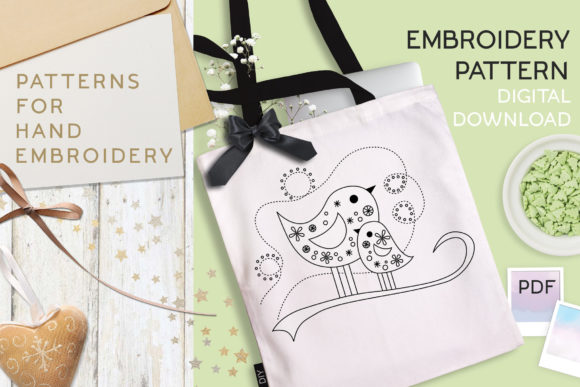
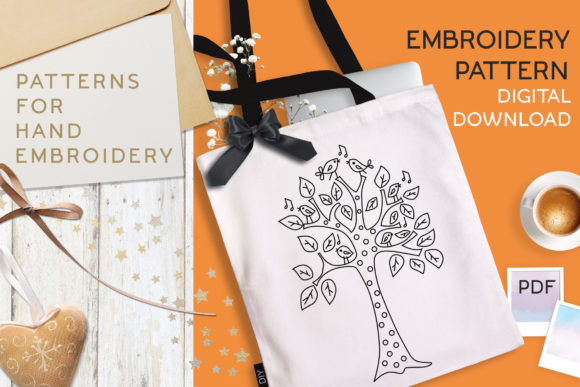
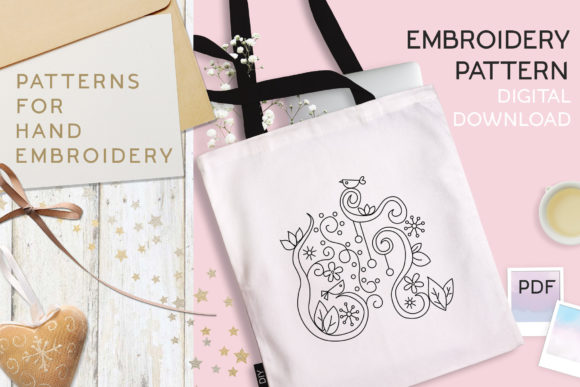
My first impression of this design is its cheerful, uncomplicated charm. The theme of playful birds on a tree is universally appealing—it feels friendly, approachable, and slightly nostalgic. The layout appears straightforward, with a clear focal point. This isn't an overly detailed, complex scene; it's a graphic with a defined shape and personality. That tells me immediately that this is a pattern built for enjoyment and ease, not for challenging the stitcher. It creates a mood of lighthearted craft, perfect for projects where you want the design to feel handmade and warm, not rigid or overly formal.
Where This Design Shines in Real Projects
Thinking about my upcoming work, this pattern naturally slots into several categories. That description mentions tote bags, book covers, and pillowcases, and that's a solid start. I envision it particularly well on a custom tote bag for a boutique or as a personalized gift. The graphic nature of the design means it will scale nicely. On a sweatshirt, it could become a charming, subtle statement piece, especially on a child's apparel or a relaxed adult fit. For a baby item, like a blanket or a simple wall hanging for nursery decor, it's gentle and sweet without being too cutesy.
For small business merchandise—think Etsy listings or craft fair products—this pattern has strong potential. It's a recognizable, cohesive image that could become part of a brand's identity for a maker focused on nature-inspired goods. As a handmade patch, applied to a cap or apron, it would hold its visual clarity. On home goods like a pillow cover or a kitchen towel, it adds that touch of personalized, artisan-made character that buyers often seek. As a holiday or wedding gift, an embroidered piece featuring this design feels thoughtful and unique.
A Specific Scenario: The Boutique Tote Bag
Let's walk through a real case. I'm preparing a small batch of embroidered tote bags for a local shop. The Birds Tree pattern comes to mind. On a natural canvas bag, using a contrasting thread palette, this design would stitch out as a clean, attractive logo-like element. Its simplicity ensures the stitching will be clear and crisp, even from a distance, which is crucial for product value and customer trust. A buyer isn't looking at a blur of stitches; they're seeing a well-defined, playful tree with birds, which tells a story about the craftsmanship. That visual appeal directly impacts buyer engagement.
Careful Considerations: Where to Mind the Details
While the pattern is described as simple and easy, which is a huge advantage, there are always practical limits. On very small hoop sizes, the smaller elements, like the birds' details or branch tips, might become too dense or tricky to execute with clarity, especially for hand embroidery. I'd be cautious using it on highly textured or stretchy fabrics without the proper stabilizer, as the clean lines could distort.
Working on dark fabric requires a thoughtful thread color strategy to maintain contrast. Similarly, on curved surfaces like caps, the larger, central tree shape might need layout adjustment to sit nicely on the curve without looking warped. For products destined for frequent washing, like apparel or tea towels, the stitch density and thread type become critical—a very dense fill stitch area in the tree trunk, for instance, might not wear as well as a more open running stitch approach. These are not flaws of the design, but simply the realities of translating a graphic into a physical, stitched finished product.
How This Pattern Affects Your Craft Business
From a professional standpoint, using a clear, effective pattern like this boosts your presentation. It results in a consistent, quality look across multiple products, strengthening brand consistency if you're a maker. For digital product sellers offering the file itself, its graphic nature makes it excellent for creating clean printable mockups and previews. The "fun" aspect mentioned in the description translates to giftability; items made with this pattern feel personal and special, not mass-produced.
However, a key note for commercial embroidery: always confirm the licensing terms of the design before selling finished items or using it as a commercial design asset. The description doesn't specify license details, so that is an essential step. Assuming it's cleared for commercial use, this pattern could be a reliable, repeatable element in your product line.
Practical Designer Notes Before You Stitch
My standard process before committing a design to a final project applies here too. First, test it on scrap fabric of the same type you'll use for the real item. This reveals how the shapes translate with your chosen stitches—satin stitch for solid areas, running stitch for outlines. Check thread color contrast against your final fabric background, and consider testing it in a simple black and white mockup to see the pure shape.
Review the design's detail level for your chosen hoop size. Are the smallest elements still distinguishable? For hand embroidery, this is about stitch placement. For machine embroidery, it would relate to stitch density and underlay. Inspect the layout for any corners or junctions that might be tricky. Finally, compare how it would look on both light and dark fabric backgrounds; a good design should adapt visually to both. These steps save time, materials, and ensure the final embroidered product meets your—and your customer's—standards.
The Final Stitch: A Pattern for Making
The Birds Tree DIY Embroidery pattern, in my assessment, is a solid choice for a wide range of practical applications. Its strength is its graphic simplicity and cheerful theme. It won't fight you during the embroidery process, and it will yield a result that feels handmade and welcoming. It fits naturally into the worlds of personalized gifts, custom apparel, and small shop merchandise. By approaching it with a designer's eye—considering fabric, scale, and end-use—you can turn this playful graphic into a professional, cherished finished product that truly embodies the value of the craft.