Three Birds on a Branch: A Designer's Review of a Classic Embroidery Pattern
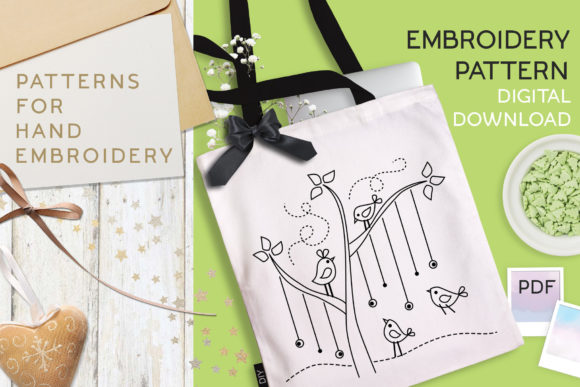
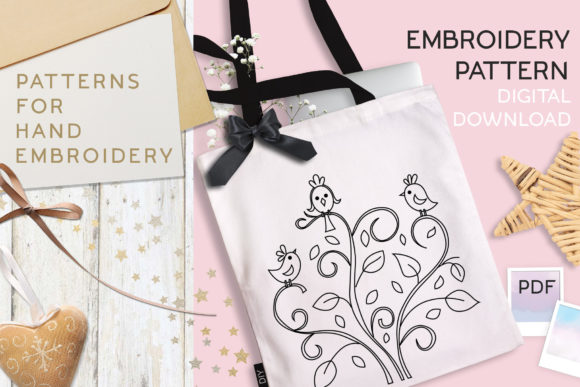
When I first opened the Birds Tree Hand Embroidery file, I got a very specific feeling. It’s that quiet, contented mood of a peaceful garden scene. Three little birds perched along a winding branch with scattered leaves—it’s simple, charming, and immediately feels like a story. This isn't a loud, complex illustration; it's a gentle graphic with a friendly personality. As a designer who evaluates patterns for real client work and my own product lines, my first thought wasn't about the technical specs. It was about where this design would naturally live. It whispered "nursery decor," "cozy kitchen towel," or "personalized gift tote" before I even considered stitch types.
The Practical Charm of a Universal Motif
The beauty of this pattern lies in its universal appeal. The theme is nature-centric but not seasonal, making it a year-round candidate. For crafters and small business owners, that’s a huge advantage. Imagine applying this to a series of products for your shop: a linen pillow cover for a boutique bedroom look, a cotton apron for a heartfelt gift, or a clean white tea towel that elevates a simple kitchen item. The layout is balanced and not overly dense, which tells me it will translate well into stitching without requiring hours of fill work. The birds and leaves offer clear shapes—perfect for defining with a running stitch or a satin stitch outline, depending on the desired finish.
Where This Design Finds Its Home: Real Project Scenarios
Let’s walk through a real scenario. A client requests a custom embroidered tote bag as a birthday gift. They want something "pretty and natural." The Birds Tree design is an instant contender. On a natural canvas tote, this pattern would sit beautifully, not too large to be overwhelming, nor too small to lose detail. The three birds create a lovely focal point. For an Etsy seller, this same design stitched onto a high-quality sweatshirt becomes a boutique apparel item. On a baby’s blanket or a simple cap, it becomes a cherished heirloom piece. Its scale and subject matter make it incredibly adaptable across custom apparel, home decor, and personalized gifts.
In my experience, designs like this also perform well in digital spaces. For sellers of digital embroidery files or those creating printable mockups for their online stores, the clean lines and recognizable theme make for an appealing preview. It clearly communicates "handmade" and "crafted," which engages buyers looking for that authentic touch.
Considerations for Stitching Success
While the pattern is charming, a professional’s job is to think through its execution. The detail level appears manageable, but I would always advise testing on scrap fabric first, especially if you plan to use it on a final product for sale. Check the contrast of your chosen thread colors against your background fabric—a light fabric with darker threads will make the birds and branch pop, while a reverse scheme on a dark tote bag might require careful color selection to maintain clarity.
Areas like the smaller leaves and the bird details deserve attention. On textured fabrics like a loosely woven linen, or on stretchy fabrics like a t-shirt, you’ll need the right stabilizer to keep those details sharp. For projects on curved surfaces like caps, consider simplifying the outermost leaves if the curve makes the extreme corners tricky to stitch cleanly. This design doesn’t look overly dense, which is good for fabrics that don’t love heavy stitch coverage, like thin cotton or some baby garments.
Where to Exercise a Little Caution
Given the description, this is a hand embroidery pattern. Its suitability for very small hoop sizes depends entirely on the actual scale of the provided graphic. If you shrink it down significantly for a tiny patch, the bird details might become too fine for clear hand stitching. Similarly, on products destined for frequent washing, like kitchen towels or everyday sweatshirts, securing your stitches well is paramount to ensure the design lasts. The pattern’s simplicity is an asset here—fewer dense fill areas mean less stress on the fabric with repeated use.
Turning a Pattern into a Valued Product
From a business perspective, a design like Birds Tree Hand Embroidery affects more than just aesthetics. When stitched well on a quality product, it elevates the perceived value. A clean, recognizable motif builds customer trust—it looks intentional and professional. For a creative entrepreneur, it can become a consistent element in your brand if your shop focuses on nature-inspired goods. Its giftability is high; it feels personal without being overly specific. That recognition factor—a lovely tree with three birds—is memorable.
For commercial embroidery projects, where you might be producing multiple items, the design’s repeatable and consistent outcome is key. It should stitch out reliably without surprises, assuming the file is well-prepared. This reliability translates directly to buyer engagement and satisfaction when the finished product matches the expectation set by your mockups or listings.
A Designer's Final Notes Before You Stitch
Before you commit this design to a client’s pillowcase or a batch of tea towels for your craft fair, do your due diligence. Test it. Stitch a sample on a similar fabric. Review the stitch density as you work—are the outlined areas clear? Confirm the hoop size or working area you need fits your project. Inspect how the small details look in your chosen thread weight.
I also recommend viewing the design in a black and white mockup to truly understand its form separate from color, and compare how it appears on both light and dark fabric backgrounds in your planning software or sketch. Crucially, if you intend to sell the finished embroidered items or any digital products derived from this pattern, you must confirm the licensing terms provided with the file. Never assume a pattern is for commercial use; verify it explicitly to protect your business.
The Birds Tree Hand Embroidery pattern, from its description, offers a fun and versatile starting point. It’s a graphic that leans toward the classic, waiting for your thread choices and craftsmanship to bring it to life. In the hands of a maker who considers these practical aspects, it can truly blossom into a beloved piece on a tote bag, a standout item in a small shop, or a perfect personalized gift. It reminds us that sometimes, the most effective designs are the ones that feel quietly familiar and wonderfully stitchable.