Silhouette Baseball Player Embroidery Design Review
As a professional embroidery designer preparing for a weekend craft fair, I always review my designs with a critical, practical eye. My table display is full of embroidered tote bags, aprons, tea towels, patches, caps, and pillow covers. Every design needs to earn its place based on how it sells, how it looks in person, and how efficiently I can produce it. Today, I’m evaluating the Baseball Player Embroidery Design.
First Impression: Bold, Clean, and Versatile
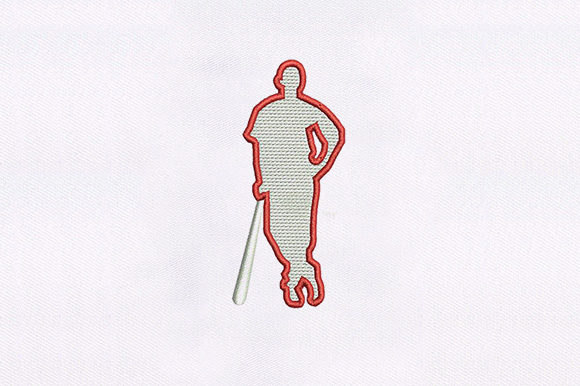
This Baseball Player Embroidery Design is a silhouette. That’s a powerful starting point. Silhouettes feel bold, modern, and minimal. They communicate the subject instantly—in this case, sports—without overwhelming detail. At a craft fair, where customers scan a booth in seconds, this clarity is gold. It’s not cute or rustic; it’s clean and graphic. This gives it a premium, decorative feel that can elevate a simple product.
Where This Design Stands Out on the Sales Table
My display strategy is to match designs to products where they’ll shine. For this Baseball Player Embroidery Design, I’m thinking about visual impact and product context.
- Tote Bags and Market Bags: A large, centered silhouette on a neutral canvas tote creates a strong, giftable handmade product. It’s eye-catching from across the booth.
- Aprons: Placed on the bib or pocket of a linen apron, it adds a sporty, personalized touch. It feels fun without being funny.
- Caps: This is a natural fit. The silhouette should handle the curved surface well if the stitch density is balanced. A cap becomes an instant, commercially appealing item.
- Pillow Covers: On a solid-color pillow, this design moves from a craft fair product to a home decor item. It feels modern and could appeal beyond just baseball fans.
- Embroidered Patches: As a patch, it’s incredibly versatile. Customers love patches for jackets, bags, or as standalone collectibles. The silhouette ensures clarity even at a smaller patch size.
- Tea Towels and Kitchen Towels: Here, I’d be cautious of the fabric texture. A dense silhouette on a textured towel might lose some crispness. It might work better on a smoother linen towel.
- Fabric Pouches and Small Gift Items: As a smaller accent on a pouch, it’s a great add-on sale. It’s easy to batch produce for quick stock.
Practical Production: Making It Sell Without Headaches
Turning a digital embroidery file into a profitable handmade product requires practical checks. For my business, ease of production affects my pricing and my sanity during batch work.
Design Scale and Batch Repeatability
This silhouette likely works beautifully as both a large focal point and a small accent. That’s a huge advantage. I can use the same Baseball Player Embroidery Design on a large tote bag and a small cap without redesigning. For batch production, this consistency speeds everything up. I can set up my machine and hoop size and run multiple items.
Photographing for Online Sales
For my Etsy listings and printable mockups, a clean silhouette like this photographs wonderfully. High contrast is key. On a dark fabric, I’d use bright thread; on a light fabric, a dark thread. This ensures my online photos look sharp, boosting my digital sales even beyond the craft fair.
Critical Designer Notes Before Hooping Anything
Before I commit this design to any craft fair product, my professional routine is strict:
- Test on Scrap Fabric: Always. I’ll run the embroidery file on the exact fabrics I plan to use: canvas, linen, cotton twill for caps, and towel material. This reveals any pull or distortion.
- Check Thread Contrast: Silhouettes rely entirely on contrast. I’ll test both light and dark thread options to see which feels more premium.
- Review Stitch Density: Dense stitch areas in a silhouette can make thick fabrics like canvas pucker or become overly stiff. I need to see if the design uses fills that are suitable for apparel.
- Confirm Hoop Size: I must check the design’s recommended or maximum hoop size from the file details. This dictates which products I can actually make.
- Inspect Stabilizer Needs: Different products need different stabilizers. A cap requires one type; a tote bag another. I’ll note what works best during my test.
- Create a Real Mockup: At least one finished product sample—a real tote bag or cap—goes into my booth display. Customers touch and feel quality.
- Compare Fabric Colors: I’ll lay out my standard fabric colors and see which backgrounds make the Baseball Player Embroidery Design pop most. Often, a neutral backdrop like cream, grey, or navy works best.
- Confirm Commercial Licensing: This is paramount. I must verify that the machine embroidery design comes with a license for commercial use before I sell any finished products. I never assume.
Selling Power at the Craft Fair Booth
How does this design translate into actual sales? From my experience, a good sports embroidery design like this attracts a specific but engaged crowd.
It boosts customer attention by being unmistakable. Parents looking for team gifts, baseball fans, or buyers seeking a masculine-themed item will spot it immediately. This focuses my sales pitch. The product value feels higher because the design is clean and professional; it doesn’t look homemade in a negative way. It enhances my brand consistency if my booth leans toward modern, graphic styles.
For buyer engagement, I can ask, “Is this for a player or a fan?” It opens a conversation. As a small shop product, it’s easy to stock in multiple forms—a patch, a cap, a bag—giving customers choice without me creating entirely new designs.
Careful-Use Notes and Potential Pitfalls
Even with a simple silhouette, there are details to watch:
- Tiny Details: If the silhouette has very small interior details (like a bat line or subtle pose elements), they might get lost on textured towels or at very small sizes on caps.
- Dark Fabric: Embroidering a dark silhouette on dark fabric requires perfect thread choice—maybe a metallic or very bright contrast—to avoid invisibility.
- Curved Cap Surfaces: The design must be tested on a cap. Some designs don’t distort well on curved seams.
- Stitch Density on Dense Fabrics: Combining a dense design with a dense fabric like felt can create a overly thick, rigid patch.
Final Judgment for the Handmade Market
This Baseball Player Embroidery Design has strong potential for my craft fair booth and my Etsy shop. Its silhouette format is its biggest asset: versatile, visually clear, and production-friendly. It fits perfectly into the sports category without being childish or overly team-specific, giving it a wider appeal.
My action plan is to test it thoroughly on my key products—starting with a cap and a canvas tote bag—check all licensing, and then batch produce a small stock of each for the fair. I’ll display them together to create a thematic grouping, which always boosts sales. For embroidery business owners and creative entrepreneurs, a design like this is a solid, reliable workhorse that can serve multiple products and attract a clear customer segment. Just remember: always make the real mockup first. What looks good on a screen must feel good in the hand.