Embroidery Design Review: A Stitch Library for Personalized Gifts
As someone who designs embroidered gifts every day, I'm constantly looking for designs that can become more than just decoration—they need to become a meaningful part of someone's story. Recently, I took the 20 Basic Hand Embroidery Stitches design through my standard review process, imagining it applied to real customer orders for a personalized gift shop. Here’s my practical, hands-on assessment.
First Impression: A Warm, Handmade Classic
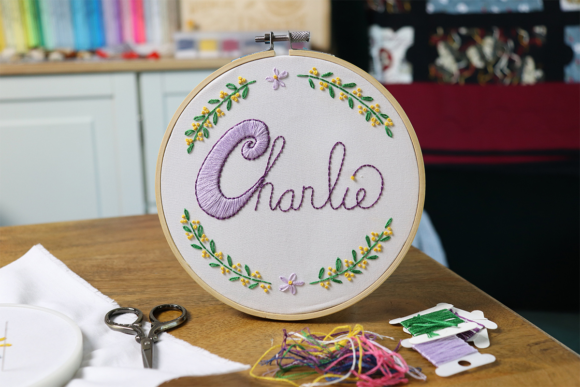
Opening the 20 Basic Hand Embroidery Stitches embroidery file, the immediate mood is one of classic charm and skilled craftsmanship. It doesn’t scream trendy; instead, it whispers handmade quality. The detail level feels educational yet artistic, like a sampler that tells its own story. For a customer seeking a gift with emotional weight—a wedding keepsake, a baby blanket, a family heirloom—this design communicates care and timelessness. It feels elegant in its simplicity, yet deeply personal because it celebrates the foundational art itself.
The Perfect Fit for Meaningful Customization
This design shines when you think of it as a framework for personalization. It’s not just a finished image; it’s a canvas to build upon.
For Baby Embroidery & Nursery Decor
Imagine stitching 20 Basic Hand Embroidery Stitches onto a linen baby blanket corner or a pillow cover for a nursery. It becomes a piece of art that parents cherish, subtly suggesting the patience and love woven into handmade items. For baby product creators, pairing this with a name or date in a complementary script could create a stunning, unique offering.
For Wedding Gifts & Family Keepsakes
The design’s inherent classicism makes it ideal for wedding gifts—think on an apron for a new home, a custom tote bag, or a pillow cover. It speaks to building something beautiful from basics, a lovely metaphor for a marriage. For a family keepsake, embroidering it on a kitchen towel or a wall hanging celebrates shared traditions and skills.
For Small Shop Products & Craft Fairs
For Etsy sellers and handmade sellers at craft fairs, this design offers versatility. You can create a range of products—embroidered towels, pillow covers, aprons, blankets—all with the same core, high-value design. It allows for efficient product line development while maintaining a cohesive, quality brand look. Using it for custom order previews with a client’s chosen thread colors can beautifully showcase the final product’s potential.
Where to Use With Care: Practical Considerations
Not every design works on every surface, and a thoughtful review requires testing limits. With 20 Basic Hand Embroidery Stitches, its charm lies in its detail, which demands careful application.
On Textured or Challenging Fabrics: The design’s intricate elements mean you must consider fabric texture. On thick towels or stretchy baby clothes, stitch density and stabilizer choice are critical to prevent distortion. Small lettering or delicate details might need adjustment or a very firm stabilizer on such substrates.
On Dark Fabrics & Curved Surfaces: Thread color contrast is paramount. A light thread on a dark fabric mockup should be reviewed thoroughly to ensure all stitches remain clearly defined. On curved surfaces like a tote bag side, hoop size and placement must be planned to keep the design flat and even.
On Items for Frequent Use: For products like kitchen towels or aprons that need frequent washing, the stitch count and density should be robust enough to endure. Testing on scrap fabric that undergoes similar wash cycles is a non-negotiable step before committing to a final product.
How This Design Elevates Your Gift Business
From a commercial perspective, adopting a design like this affects more than just the stitch; it impacts your entire product’s perception.
Boosting Giftability & Perceived Value
20 Basic Hand Embroidery Stitches inherently feels educational and artful, which increases the perceived value of the finished product. A customer buying a personalized towel with this design isn’t just buying a towel; they’re buying a piece of craft knowledge and beauty. This significantly enhances giftability—it’s a gift that tells a story.
Building Customer Trust & Emotional Connection
The design explicitly celebrates handmade quality. This resonates deeply with buyers looking for authentic, non-mass-produced items. It builds trust because it showcases the skill involved. The emotional connection is strong: it can evoke nostalgia for learning a craft, admiration for artistry, or a sense of inheriting a tradition.
Enhancing Product Photography & Buyer Engagement
For your Etsy listings or small shop website, this design provides rich visual detail. It photographs beautifully, allowing close-up shots that highlight craftsmanship. This engages buyers more deeply, inviting them to look closer and appreciate the work. A printable mockup or photo of the design on a light and dark fabric can effectively showcase its versatility.
Essential Steps Before You Stitch for a Customer
Before I would ever run this design on a real customer’s order, my review process includes these practical embroidery notes.
- Test on Scrap Fabric First: Always stitch the design on a scrap of the exact fabric you plan to use for the final product. Check for any pull, distortion, or issues with small details.
- Confirm Thread Color Contrast: Review your chosen thread colors against both light and dark fabric backgrounds. What looks good on screen may need adjustment on the actual material.
- Check Hoop Size Compatibility: Ensure the design fits comfortably within your standard hoop sizes for your product range. A design too large for a small baby item hoop requires reconsideration.
- Review Stitch Density: Look at the stitch density in the embroidery file. Is it appropriate for your fabric? A very dense design on a delicate fabric might be too stiff.
- Use the Proper Stabilizer: Match your stabilizer to both the fabric and the design’s detail level. This is crucial for clean results on towels, stretchy clothes, or blankets.
- Compare Light & Dark Fabric Mockups: Create digital or physical mockups on both light and dark fabrics to fully understand the final look for your product line.
- Check Small Details After Stitching: After your test run, examine the smallest elements. Are they clear and intact? This is vital for maintaining the design’s educational charm.
- Confirm Commercial Licensing Before Selling: This is a critical final step. Before offering any finished product for sale, verify the license terms of the 20 Basic Hand Embroidery Stitches digital embroidery file. Ensure your use as a small business or Etsy seller is covered. If details are missing from the product description, you must check with the designer or distributor.
A Design That Honors the Craft
In conclusion, from my point of view as a professional embroidery designer planning for a personalized gift shop, 20 Basic Hand Embroidery Stitches is more than just a machine embroidery design. It’s a concept. It attracts customers who value craftsmanship, learning, and timeless gifts. It performs beautifully as a finished product when paired with thoughtful fabric choice, careful technical preparation, and a clear commercial license. It turns a simple pillow cover or baby blanket into a conversation about art, skill, and love—which is, after all, the very heart of a meaningful personalized gift.