Why Green Star Embroidery Works in the Real World
When you’ve been stitching as long as I have, you develop a gut feeling for a design. You look at a file and immediately imagine it stitched out—not on a perfect sample, but on a real sweatshirt for a client, or on a tote bag that will see daily use. Green Star Embroidery gives me that feeling immediately. It’s a design that promises to translate well from the screen to the needle.
The Immediate Mood: Fresh, Crisp, and Versatile
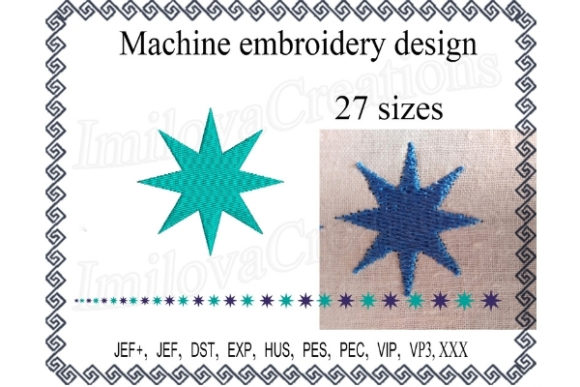
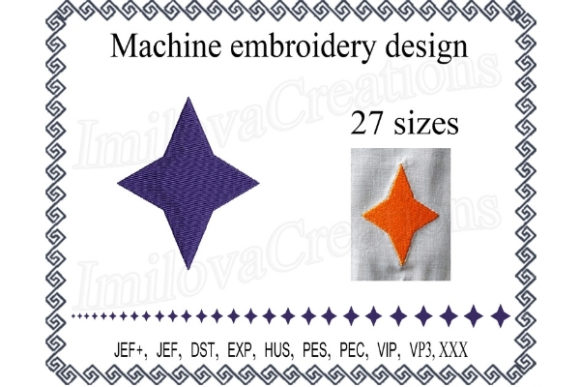
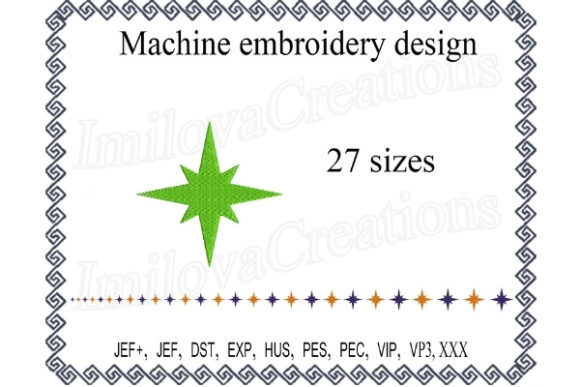
The first impression is one of clean, graphic charm. The star shape is classic, but the green tones suggested by the title imply a specific mood—natural, perhaps a little botanical, or simply fresh and crisp. This isn’t an overly ornate or dated star; it feels modern and adaptable. The layout and detail level suggest a design that won’t get lost on a garment or become overly busy on smaller items. Its visual personality is friendly and approachable, making it a natural fit for projects aimed at a wide audience, from personalized gifts to straightforward boutique merchandise.
Where This Design Naturally Belongs
I envision this Green Star embroidery file shining on a few specific categories. Imagine it centered on a canvas tote bag—it would look intentional and sturdy, not fussy. On a heavyweight sweatshirt, it would hold its own against the fabric texture. For baby items, like a simple cotton blanket or a knit hat, its clear shape would be sweet without being overwhelming. It’s also a prime candidate for an embroidered patch, either applied or stitched directly, for those looking to add a reusable branded element to jackets or bags.
Beyond apparel, think about home goods. A single star embroidered on a linen pillow cover or the corner of a tea towel introduces a handmade touch that elevates the product without shouting. For holiday gifts or wedding presents, a green star on a set of kitchen towels could feel specially made. For Etsy sellers and craft fair vendors, this design offers a core asset that can be adapted across a product line, creating brand consistency with ease.
A Real Scenario: Prepping a Boutique Tote Bag
Let’s walk through a real case. You’re preparing a batch of tote bags for your small shop. You want them to look professional, withstand use, and have a design that catches the eye without being trendy to the point of expiration. You load the Green Star embroidery file. Your practical mind goes to hoop size first—you’ll need to check the provided details to confirm the minimum required hoop, but a design like this often works well in a modest 4x4 or 5x7 area, making it efficient on the machine. You consider stitch density: a star with defined points likely uses satin stitch for the borders and fill stitch for the interior. You’ll test on scrap fabric first, especially the tote bag’s material, to see how the stitches sit on that specific texture. Will the points be crisp? Will the fill stitch look smooth or pucker? This test-run is non-negotiable.
Performance in the Stitching Trenches
In real-life embroidery, success hinges on clarity and durability. On custom apparel like t-shirts, the key will be stabilizer choice—especially on stretchy or thin fabrics. A dense design can pull, but a well-balanced one like this star should anchor well. For caps or curved surfaces, the design’s symmetry will be a friend; it should distribute evenly. On dark fabric, your thread color contrast becomes paramount. The “green” here is a directive; you’ll want to choose a thread that pops but doesn’t clash, perhaps a forest green on navy, or a bright kelly green on black for holiday merchandise.
When thinking about commercial embroidery projects or digital product previews for your shop, the clean shape means it will look sharp in printable mockups, giving potential buyers a clear expectation of the finished product. This builds customer trust. For baby clothes or items needing frequent washing, inspect the stitch density in your test. Areas that are too densely packed can feel stiff and may wear differently; a good design balances detail with comfort.
Where to Exercise a Little Caution
Every design has its considerations. With any star shape, the points are critical. On very small hoop sizes, those tiny corners might need a slight adjustment in stitch count to remain sharp—your test on scrap will reveal this. On highly textured fabrics like some blankets, the satin stitch edges might not appear as perfectly smooth, but that can add a charming handmade character. I’d avoid using it on areas with extreme stretch without rigorous stabilization testing. Also, if the design incorporates very small lettering or intricate interior details (which isn’t suggested by the title), you’d need to be mindful of stitch clarity on busy backgrounds.
How It Lifts Your Finished Product
The visual appeal of a well-executed Green Star embroidery is about polished simplicity. It reads as professional, which increases the perceived value of your handmade product. A customer seeing this on a gift or purchased item recognizes the care taken—the stitches are clean, the shape is recognizably classic, and the color is intentional. This boosts buyer engagement; it’s a design people feel they can understand and appreciate, not an abstract art piece that might polarize. For giftability, it’s excellent—universally positive and neat.
For creative entrepreneurs selling digital embroidery files themselves, a design like this serves as a solid, reliable asset in your shop. Its versatility is a selling point. For those using it to create physical products, it aids brand consistency; you can place the same star on different items and create a cohesive collection.
Practical Designer Notes Before You Hoop
My final thoughts always circle back to preparation. Always, always test the Green Star embroidery design on a scrap of your target fabric. Check thread color contrast by stitching it on both light and dark background scraps if your product line uses both. Review the stitch density by feeling the test piece—is it too stiff for a baby blanket? Is it robust enough for a tote bag? Confirm the hoop size requirement from the provided information. Inspect the small details after stitching: are the points sharp? Do any interior fill stitches have gaps?
Since the product description mentions multiple embroidery file formats, this is a huge plus for working with different machines. Ensure you are using the correct format for your machine. Crucially, confirm the licensing terms before selling finished items or commercial embroidery projects. The description states it’s ready for your next sewing project, but the specifics of commercial use need to be verified. Don’t assume.
Use proper stabilizer. Match it to your fabric. And finally, step back and look at your test piece as a customer would. Does the Green Star Embroidery look like it belongs on the product? Does it elevate it? If your answer is yes, you’ve found a design that works in the real world, not just on the screen.