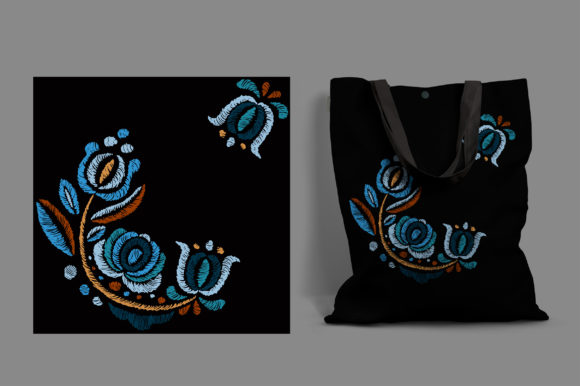
A Designer's Review of Embroidery on a Black Background
As an embroidery designer who runs a small shop, I constantly evaluate new digital embroidery files for their real-world potential. When a client requests a custom tote bag or a boutique orders a series of embroidered patches, the design choice is critical. Recently, I considered using Embroidery on a Black Background from Creative Fabrica for a real project. Here’s my honest review from a professional perspective.
The Initial Impression: Mood and Decorative Appeal
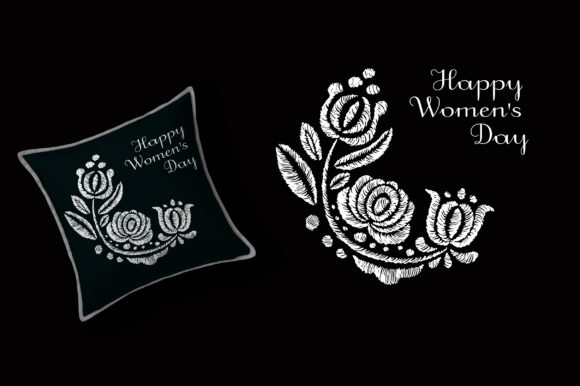
My first impression of Embroidery on a Black Background was its distinct visual mood. The product description mentions it's from an artist who loves to draw, and that personality comes through. These are illustrations meant to be embroidered, not generic clip art. The “black background” concept suggests designs crafted for high contrast and dramatic presentation. This isn’t a subtle, delicate set; it feels bold and graphic, which immediately signals its ideal use cases: statement pieces.
For embroidery, this translates to projects where the design needs to be the hero. Think of a canvas bag at a craft fair that needs to catch eyes from ten feet away, or a sweatshirt design for a brand wanting a strong, modern logo. The decorative appeal is high, but it’s a specific kind of appeal—contemporary, artistic, and likely with clean lines that would translate well into satin stitches and fill stitches.
Where It Fits in Real Embroidery Projects
Based on the product description listing canvas bags, t-shirts, hoodies, mugs, and stationary, the artist envisions broad application. From an embroidery standpoint, that list is a helpful starting point. I mentally mapped these to actual embroidery work.
- Custom Apparel: For t-shirts and hoodies, the high-contrast nature of Embroidery on a Black Background is perfect. On light fabrics, the dark elements will pop. However, embroidery on stretchy fabric like hoodies requires careful stabilizer choice, and dense stitch areas could be stiff.
- Tote Bags & Home Decor: Canvas bags and pillow covers are excellent substrates. The textured fabric holds stitches well, and a bold design enhances the product’s handmade presentation and perceived value.
- Gifts & Boutique Merchandise: Baby blankets, kitchen towels, and aprons fall into the personalized gift category. A well-executed illustration embroidery can make a standard item feel special, increasing its giftability.
- Commercial Embroidery & Patches: For embroidered patches or cap designs, the graphic style could work beautifully, provided the details aren’t too tiny for a curved cap surface. This is a key consideration.
Practical Performance in the Hoop
Before committing any design to a client’s order, I consider how it will perform in the machine. The product title Embroidery on a Black Background itself offers a clue: it likely uses the black as a major design element, not just a literal fabric background. This affects thread color choices and contrast.
Here are the practical embroidery notes I would make before using this set:
- Test on Scrap Fabric First: Always embroider a sample on both light and dark scrap fabric. Check how the “black background” elements stitch out. Are they solid fill stitches? How dense are they? High stitch density can cause puckering on thin fabrics.
- Inspect Small Details: As illustrations, there may be fine lines or tiny lettering. These need to be evaluated for your minimum hoop size. A detail that looks good on screen might become a blur of thread at a small scale.
- Thread Color Contrast: On actual black fabric, the “black background” parts of the design might need to be substituted with a very dark gray or another color to remain visible, or they might be intended to be omitted. This requires careful review of the actual embroidery file.
- Stabilizer is Key: For applications like sweatshirts or caps, using the proper stabilizer is non-negotiable to maintain design integrity through wear and washing.
Since the provided description doesn’t specify stitch count, file formats, or exact hoop sizes, my strongest advice is to check the product details on the Creative Fabrica page before downloading. Confirm the machine compatibility and license terms to ensure it fits your commercial use.
Affecting Product Value and Customer Trust
Using a unique Embroidery on a Black Background design from a platform like Creative Fabrica can significantly affect your finished product. For an Etsy seller or handmade shop owner, the design assets you choose directly influence buyer trust and perceived quality.
A cohesive, well-embroidered illustration suggests care and expertise. It can enhance brand consistency if you use a similar graphic style across your product line—think a series of tote bag designs or coordinated nursery decor. For product photography, high-contrast, clean embroidery looks professional and engages customers more than a blurry or poorly chosen design.
However, the opposite is also true. If the design has impractical elements for your substrate—like overly dense stitching for a baby blanket that needs to remain soft—it can hurt the product’s functionality and your reputation. The evaluation is about fit.
Final Thoughts for Creative Entrepreneurs
Embroidery on a Black Background presents an interesting opportunity. Its artistic origin and stated use for prints suggest it could be a versatile set of graphics, potentially useful for both embroidery and creating printable mockups for your online listings.
For me, the decision to use it hinges on seeing the actual embroidery file details. I would download it only after confirming it suits my specific project needs—like an apron order requiring a medium-sized hoop and durable stitching. Its value lies in its bold, illustrative style, which can elevate a simple item into a standout handmade product.
If you’re a crafter, apparel decorator, or digital product seller looking for graphic, high-impact designs, this product category from Creative Fabrica is worth exploring. But always remember: the best digital embroidery file is the one that stitches out perfectly for your real-world application. Do your homework, test thoroughly, and let the quality of your finished work speak for itself.