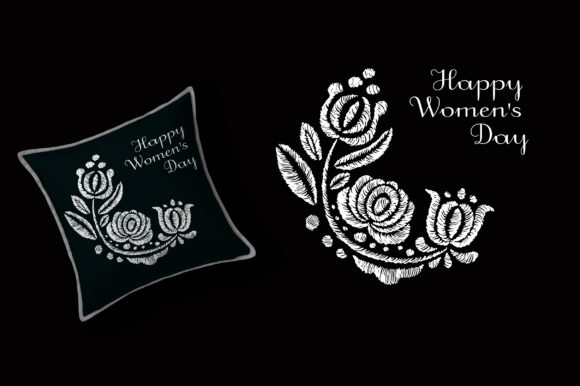
Greeting Card Embroidery: A Seasonal Review for Crafters
As an embroidery designer planning my seasonal collections, I always look for files that can seamlessly transition from a digital illustration to a heartfelt, stitched product. Today, I’m reviewing the Greeting Card. Embroidery design from the perspective of building a holiday shop, specifically around International Women's Day and other celebratory moments. My goal is to assess its practical use for fellow sellers, creators, and small business owners.
First Impression: Festive Elegance for Seasonal Moods
The immediate vibe of Greeting Card. Embroidery is one of festive elegance. It carries a warm, congratulatory tone, perfectly aligned with holidays like International Women's Day. The decorative style feels illustrative and intentional, suggesting a premium, gift-ready quality. The detail level appears balanced—not overly complex, yet possessing enough character to stand out on a product. This design leans into a playful and romantic mood, evoking a sense of celebration and personal acknowledgment. It doesn’t scream rustic or overly modern; instead, it sits comfortably in a space that feels both timeless and seasonally appropriate.
Real-World Holiday Selling Performance
In practical selling scenarios, this embroidery file shows strong potential. For Etsy listings and craft fair displays, it can be a cornerstone for a gift bundle. Imagine a curated set: an embroidered kitchen towel, a matching tote bag, and a pillow cover, all featuring this same celebratory motif. It creates a cohesive collection that buyers love. For limited edition apparel, this design could beautifully adorn sweatshirts for family matching items, making a poignant gift for mothers, sisters, or friends during the holiday.
Its application extends to home decor like pillow covers and table linens, instantly elevating a space for a seasonal gathering. For personalized gifts, pairing the stitched design with a handwritten note or custom thread color choice adds immense value. When creating social media previews and product mockups, this design lends itself well to printable promotional graphics that highlight its emotional appeal. An embroidered patch version could be applied to aprons or baby items, creating quick, gift-ready products with high visual recognition.
Key Product Applications for Seasonal Appeal
- Sweatshirt Embroidery: A central placement for a cozy, personal gift.
- Tote Bag Design: A statement piece for daily use that celebrates the holiday.
- Kitchen Towel Embroidery: Perfect for functional, decorative home items.
- Pillow Cover: Adds a seasonal touch to living spaces or guest rooms.
- Embroidered Patch: Versatile for ornaments, baby items, or aprons.
- Table Linens: Elevates a dinner setting for a celebratory meal.
Considerations for Careful Application
While the design is promising, a professional embroidery designer must note areas for careful use. The description mentions it's an illustration, which often implies details. If the design includes tiny lettering or layered details, testing on very small hoop sizes is crucial. Stitching on items like thick towels or dark fabric may require adjustments to stitch density and thread colors to ensure clarity. For stretchy garments or curved caps, proper stabilizer choice is non-negotiable to prevent distortion.
Furthermore, for products that need repeated washing, such as kitchen towels or apparel, a robust stitch construction is vital. I advise checking the actual embroidery file for density and underlay settings. Also, if considering metallic thread for a premium holiday look, test a small section first as it can behave differently on certain fabric textures.
Impact on Seasonal Business & Buyer Emotion
Integrating Greeting Card. Embroiderygiftability. During high-engagement periods like holiday shopping, such a design can foster customer trust through its clear, heartfelt intent. It aids in visual recognition for your brand if used consistently across a seasonal collection, helping shoppers instantly connect your shop with quality holiday gifts.
For digital embroidery file buyers, the commercial potential is significant. This design can anchor a holiday embroidery product drop, driving sales for handmade gift makers and apparel decorators. Its success hinges on presenting it within a context—showing it stitched on real products through realistic mockups.
Practical Designer Notes for a Successful Launch
- Test Thread Colors: Run the machine embroidery design on both light and dark fabric swatches to finalize your recommended palette.
- Check Stitch Density: Ensure the file’s density is suitable for your target fabrics, especially for delicate or thick materials.
- Confirm Hoop Size: Before production, verify the maximum and minimum effective hoop size for the design details.
- Use Proper Stabilizer: Match the stabilizer to the fabric texture and product end-use (e.g., cutaway for towels, tearaway for patches).
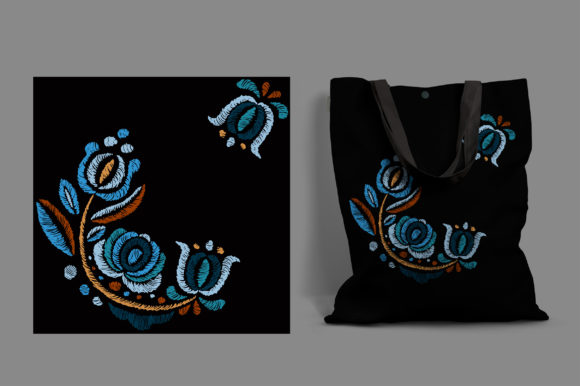
- Create Realistic Mockups: Use high-quality images of the design on products like tote bags and pillow covers for your Etsy listings.
- Review Small Details: After stitching a sample, examine any intricate illustration elements for clarity.
- Plan Matching Color Palettes: Develop a seasonal thread color scheme that works across sweatshirts, towels, and other items.
- Confirm Commercial Licensing: Before selling finished seasonal products, verify the licensing terms of the digital embroidery file for commercial embroidery use.
Final Thoughts for Seasonal Product Creators
The Greeting Card. Embroidery design presents a strong opportunity for crafters and small shop owners targeting celebratory holidays. Its illustrative, festive nature translates well across a range of products, from personalized gifts to home decor. The key to maximizing its value lies in meticulous preparation: testing the embroidery file on actual products, understanding its limitations, and presenting it within a compelling seasonal story. By doing so, you can transform this graphics file into a beloved, gift-ready emblem that resonates deeply during holiday shopping periods, building both your product line and customer engagement.