A Practical Review of the Colorful Embroidery Stitch Alphabet
As an embroidery designer who works on real projects for clients and my own small shop, I’m always evaluating new embroidery files for their practical value. Today, I’m looking at the Colorful Embroidery Stitch Alphabet from Creative Fabrica, considering it for a series of custom tote bags and personalized baby blankets. This isn't just about whether it looks nice on the screen; it's about whether it stitches well, adds value to a finished product, and fits into a commercial workflow.
First Impressions: A Vibrant and Decorative Alphabet
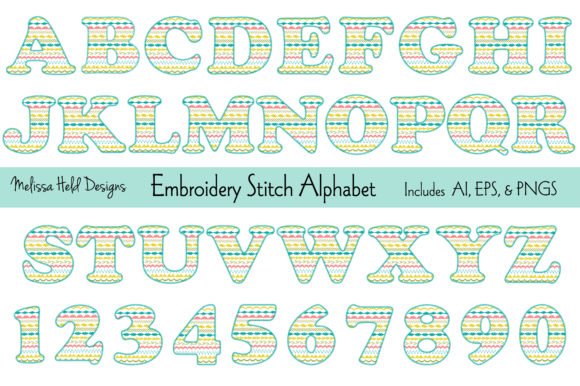
The immediate mood of this alphabet set is playful and bright. It’s clearly designed as a decorative asset, not a simple, utilitarian font. Each letter and number carries a distinct stitching personality, with a colorful pattern built into its form. For embroidery designers, this suggests it’s best suited for projects where the text itself is a central decorative element—think statement pieces rather than subtle labels. It naturally fits projects like nursery decor, fun kitchen towels, gift pillows, and craft fair products aimed at a cheerful, handmade aesthetic.
Performance in Real Embroidery Work
The true test of any embroidery file is how it translates from digital design to physical stitch. For the Colorful Embroidery Stitch Alphabet, key considerations arise in several common project types.
Custom Apparel and Bags
On items like sweatshirts, tote bags, and aprons, the colorful, detailed nature of this alphabet could be a great selling point. However, the stitch density and any small, intricate areas within the letters need careful attention. For stable fabrics like canvas or cotton twill (common for bags), it should perform well. For stretchy fabrics or thinner materials, using the proper stabilizer is absolutely critical to prevent puckering or distortion, especially if the design includes dense fill stitch areas.
Small Items and Challenging Surfaces
Projects like caps or small patches present a different challenge. The curved surface of a cap can distort designs, and small lettering on a patch might lose definition if the details are too fine. Before committing this alphabet to a cap order, I would strongly advise testing on a scrap of similar fabric to see how the colorful stitch pattern holds up. Similarly, for dark fabrics, the thread color contrast must be planned carefully to ensure the “colorful” promise reads clearly in the final product.
Gifts and Home Decor
For baby blankets, pillow covers, and seasonal handmade gifts, this alphabet could significantly boost the visual appeal and giftability. The decorative style makes a piece feel special and personalized. It can elevate simple text into a focal point. This is excellent for Etsy listings and boutique merchandise where photography and presentation matter. A well-embroidered, colorful name on a blanket looks far more premium than a plain satin stitch font.
Affecting Product Value and Customer Trust
Using a distinctive embroidery file like this isn’t just about aesthetics; it’s a business decision. For handmade shop owners and creative entrepreneurs, the finished product’s quality directly impacts buyer trust and brand consistency.
The Colorful Embroidery Stitch Alphabet, when executed cleanly, can make a product stand out. It signals care and creativity, which customers appreciate. For commercial embroidery products or digital product sellers creating printable mockups, having unique, attractive design assets like this alphabet adds to your portfolio’s value. However, it’s vital to confirm the file details and licensing on the Creative Fabrica product page before selling finished items. Understanding the license ensures your commercial use is protected and ethical.
Essential Practical Notes Before You Stitch
No review is complete without a checklist for the workbench. Here are the steps I would take before using this alphabet on a customer’s order.
- Test on Scrap Fabric: Always run a sample letter on a scrap of the actual project fabric. Check for stitch density issues, puckering, and how the colorful pattern translates.
- Check Thread Color Contrast: Plan your thread palette. On light fabrics, the colors will pop. On dark fabrics, you may need to choose brighter or lighter threads to maintain the “colorful” effect.
- Review Hoop Size Requirements: Depending on the size of the letters you create, you’ll need to ensure your machine’s hoop size can accommodate the design. This is particularly important for larger, multi-letter projects.
- Use Proper Stabilizer: Match your stabilizer to the fabric weight and stretch. This is non-negotiable for a clean result on textured or stretchy fabrics.
- Inspect Small Details After Stitching: After your test, examine the smallest details in the letter design. Ensure they are clear and not lost or overly dense.
- Compare Light and Dark Fabric Mockups: If your shop offers products on various backgrounds, create visual mockups for both to see how the design performs in different contexts.
A Final Consideration for Commercial Use
The product description mentions this is a complete set of letters and numbers and includes an editable aspect. For embroidery designers, this means flexibility in creating custom words. However, the description does not specify machine compatibility, exact file formats, or stitch counts. Therefore, my strongest practical advice is to download and examine the files yourself within your embroidery software before planning a project. Verify that the embroidery file works with your machine, that the scale is appropriate for your intended hoop size, and that the level of detail aligns with the items you produce—whether they are embroidered patches or large tote bag designs.
In conclusion, the Colorful Embroidery Stitch Alphabet from Creative Fabrica presents a visually engaging option for embroidery designers seeking to add a playful, decorative touch to personalized gifts and custom apparel. Its value lies in its distinctive style, which can enhance product photography and customer engagement. Its practical success, however, will depend entirely on thorough testing and preparation, respecting the fabric and project type. For the right project—a cheerful baby blanket, a standout market tote, or a custom kitchen towel—it could be a wonderful asset. For minimal, fine-detail work on challenging surfaces, a more cautious approach is warranted. As always in our craft, the file is just the beginning; the real magic is in how you skillfully bring it to life with thread and fabric.