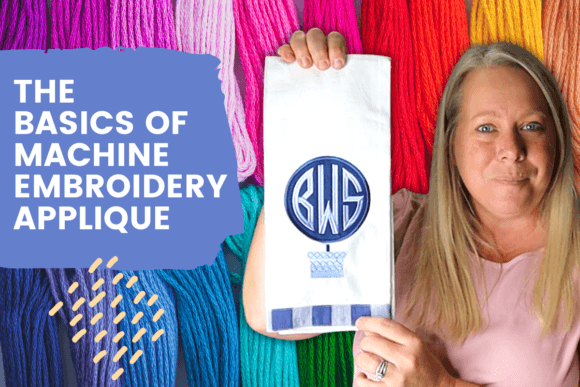
A Designer's Review: The Basics of Machine Embroidery Applique
As someone who embroiders for clients and my own small shop, I’m always looking for designs that are both beautiful and practical. When I consider a design like The Basics of Machine Embroidery Applique, my first question is: does it hold up under real-world scrutiny? I’m not just thinking about how it looks on screen; I’m thinking about how it stitches out on a tote bag for a boutique client, or on a baby blanket destined for frequent washing. Let’s walk through that practical evaluation.
The Immediate Mood: Clean Foundations for Creative Projects
The first impression of this embroidery design is one of clarity and purpose. The theme isn't about intricate, dense artwork; it’s about establishing a strong, learnable foundation. This isn't a flashy, seasonal motif—it’s a versatile educational tool. Its visual personality feels structured and friendly, perfectly suited for projects where the technique itself is the star. It naturally belongs to projects meant for skill-building, like a sampler pillow cover or a detailed kitchen towel you create while following the class.
Where This Design Excels in Your Embroidery Business
Thinking through my typical workload, The Basics of Machine Embroidery Applique shines in specific scenarios. For a custom apparel project, like a clean, branded apron for a small business, the clear steps outlined in the design could be stitched as a decorative, educational element. It would add a layer of handmade sophistication. For a personalized gift, such as a set of embroidered tea towels for a wedding, incorporating appliqué basics learned from this design elevates the entire product, showing a commitment to craft.
For craft business items, this is particularly interesting. If you're an Etsy seller offering finished embroidery project kits, understanding appliqué fundamentals through this class could directly improve your own product quality. The design itself might not be the final product you sell, but the skills it teaches become core design assets for your entire line. Your baby embroidery on blankets or your holiday embroidery on stockings gains a professional finish with proper appliqué techniques.
A Real Scenario: Crafting a Boutique Tote Bag
Let’s picture a real case. I’m preparing a custom embroidered tote bag for a local boutique. They want a clean, timeless look. Using the principles from this design, I could appliqué a classic shape onto the bag with confidence. The resulting piece would have crisp edges, secure fabric layers, and a polished look that customers instantly recognize as high-quality. This directly affects customer trust and the product value—the bag isn’t just decorated; it’s expertly constructed.
Careful Application: When to Think Twice
No design is universally perfect. The success of an appliqué design, especially one focused on basics, depends heavily on context. On highly textured fabrics like some blankets, or on stretchy fabric like t-shirts, the foundational steps need to be adapted with the right stabilizer. On dark fabric, thread color contrast for the satin stitch or running stitch outlines is critical for clarity.
Small hoop sizes might challenge some of the instructional layout if it’s detailed. On curved surfaces like caps, the appliqué process itself requires extra attention, so practicing the basics on a flat surface first is key. For products needing frequent washing, such as baby clothes or kitchen linens, the durability of your appliqué—secured by the techniques learned here—is paramount. A poorly executed appliqué will fray and fail, damaging your brand consistency and the item’s giftability.
The Impact on Your Craft and Business
Mastering appliqué basics transforms your finished product. It elevates visual appeal through clean, intentional fabric additions. Stitching clarity improves because you understand how underlay and stitch density interact. For a digital product seller, offering embroidery files that incorporate appliqué elements becomes more viable, and your printable mockups look more professional. For commercial embroidery projects, this knowledge streamlines production and reduces errors.
Ultimately, it boosts buyer engagement. A customer looking at a sweatshirt with a beautifully appliquéd patch sees the difference. The handmade presentation feels deliberate and skilled, not amateur. This builds recognition for your work and supports a sustainable craft business.
Essential Designer Notes Before You Stitch
Before using these fundamentals in a client project or your own small shop merchandise, do your due diligence. Always test the concept on scrap fabric first, mimicking the final fabric texture. Check your thread color choices against both light and dark fabric backgrounds. Review the stitch density suggested in the class for your specific machine.
Confirm the necessary hoop size for your project layout. Inspect any small details or lettering if you’re adapting the basics into a more complex design. It’s wise to test the look in simple black and white mockups to judge form. Most importantly, use proper stabilizer—it’s the unsung hero of clean appliqué. Finally, always check whether the skills and any associated design files work for both personal and commercial projects, and confirm licensing before selling finished items.
Final Thoughts: A Tool for Growth
The Basics of Machine Embroidery Applique isn’t just a design; it’s a skillset. From my point of view as a designer reviewing it for real use, its value isn’t locked in a single embroidery file. Its value is in how it empowers you to execute any applique design with confidence. Whether you’re preparing a holiday gift, a batch of patches for a craft fair, or a line of boutique branding for your own brand, these foundations matter. They turn a fun creative process into a reliable professional technique.