Testing an Embroidery Class for Personalized Gift Creation
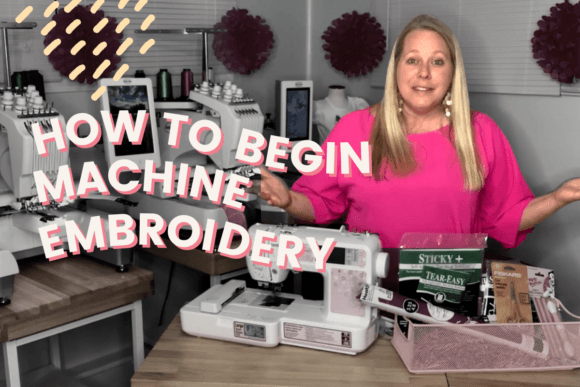
As a designer who has stitched thousands of gifts, my process always begins with a review. Before a new design ever touches a client’s fabric, I scrutinize it as a finished product. Today, I’m putting How to Begin Machine Embroidery through that same rigorous, practical lens. I’m imagining it not just as a class, but as the foundational skill behind every baby blanket, wedding keepsake, and kitchen towel that might leave my studio.
The Emotional Blueprint of a Beginner's Class
The first impression of this offering is its classic and trustworthy mood. The title doesn’t promise flashy, complex results; it promises a confident start. This is crucial for the personalized gift market. A customer seeking a meaningful embroidered item—a name on a nursery pillow, a date on a wedding apron—isn’t just buying decoration; they’re investing in a sentiment. The class, guided by Kelly Payne, feels like a solid, handmade foundation. It carries an emotional appeal of accessibility and empowerment, which directly translates to the gifts I create. If I, as the maker, am confident in my fundamentals, the final product radiates that quality.
From Digital Class to Physical Keepsake: Application Scenarios
So, how does How to Begin Machine Embroidery perform as the engine behind a finished product? Let’s walk through real scenarios.
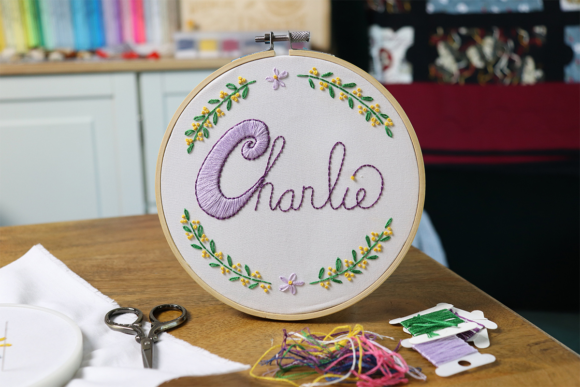
For baby embroidery and nursery decor, the essential skills from this class are paramount. Mastering tension, stabilizer, and stitch settings means the delicate script of a baby’s name on a blanket will be smooth, not puckered. It ensures the playful motifs on a tote bag are secure for frequent washing.
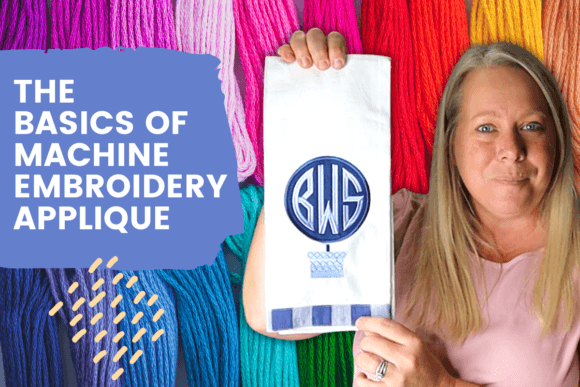
When creating wedding gifts and family keepsakes—like pillow covers or ceremonial towels—the emphasis on fundamentals leads to elegance. Clean lettering and even stitch density make a monogram feel sophisticated, not amateur. This directly boosts the item’s perceived value and emotional connection.
For the small business owner, whether at a craft fair or on an Etsy listing, this class is a product development tool. The skills learned allow for consistent quality across a line of personalized towels, aprons, or custom tote bags. Consistent quality builds customer trust and allows for beautiful, uniform product photography that engages buyers. A customer previewing a digital mockup of a custom order trusts that the physical item will match, because the underlying technique is sound.
Critical Considerations for Gift-Ready Embroidery
Even with strong fundamentals, application on real products requires careful planning. Here’s where my product-testing mindset focuses, informed by the principles a class like this would teach.
Navigating Fabric and Form Challenges
The skills from How to Begin Machine Embroidery must be adapted to challenging surfaces. For thick towels or textured baby blankets, stabilizer choice and stitch density become critical to prevent sinking or distortion. Small lettering on a curved surface, like a baby hat, requires precise hoop placement and tension control—core beginner topics. Stretchy fabrics demand additional stabilization techniques. On dark fabric, thread color contrast and potential shadowing must be considered; a beginner class should instill the habit of testing on scrap fabric first.
The Giftability Factor: How Technique Translates to Appeal
Every technical decision affects the final gift’s appeal. Proper technique ensures a pillow cover remains soft and drapeable, not stiff from over-stitching. It ensures a kitchen towel’s embroidery survives washes without fraying. This durability is a silent component of giftability. A keepsake that lasts feels more meaningful. Furthermore, the handmade quality perceived by the recipient is directly tied to the cleanliness of the stitch work. Neat, secure embroidery looks professional and cared-for, deepening the emotional connection.
A Maker's Practical Checklist Before Stitching Gifts
Before using any new skill or design on a client’s order, I follow a checklist. Assuming How to Begin Machine Embroidery covers the essentials, here is how I would apply those lessons in a product development workflow.
- Always Test on Scrap Fabric: Use the same material as the final product—whether it’s a plush blanket or a smooth apron—to check for puckering.
- Check Thread Color Contrast: Especially on dark fabrics, verify your chosen colors pop and don’t get lost.
- Confirm Your Hoop Size: Ensure the physical hoop accommodates the entire design area for the item, like a large pillow cover.
- Review Stitch Density: For delicate fabrics like baby clothes, lower density may be needed; for durable totes, higher density might be acceptable.
- Use the Proper Stabilizer: This is perhaps the most critical step. Match stabilizer type and weight to the fabric’s texture and stretch.
- Compare Light and Dark Fabric Mockups: If offering a product in various colors, visualize the embroidery on both extremes.
- Check Small Details After Stitching: Zoom in on tiny lettering or intricate elements to ensure they are clean and legible.
- Confirm Licensing Before Selling: If you are an Etsy seller or small shop using skills to create commercial products, ensure your understanding of the class’s terms allows for selling finished, embroidered goods.
It’s important to note: the specific stitch count, exact file formats for any included designs, or detailed commercial license terms are not provided in the basic description. Before using any skills or potential included digital embroidery files for a small shop product, a maker must verify these details directly with the class provider.
The Final Stitch: Building a Trusted Gift Business
In my review, How to Begin Machine Embroidery emerges not as a mere class, but as a quality control system for personalized gift makers. Its value lies in building the consistent, reliable technique that transforms a simple towel or blanket into a cherished heirloom. For the baby product creator, the wedding gift designer, and the handmade seller, these fundamentals are the difference between a product that feels amateur and one that feels expertly crafted. The customer attracted to gifts made with this foundational skill is one seeking authenticity and longevity—they value the handmade story, but they also trust the visible quality. By starting with a solid education, every subsequent stitch carries that confidence, directly into the heart of the recipient.